Social rule against Huck
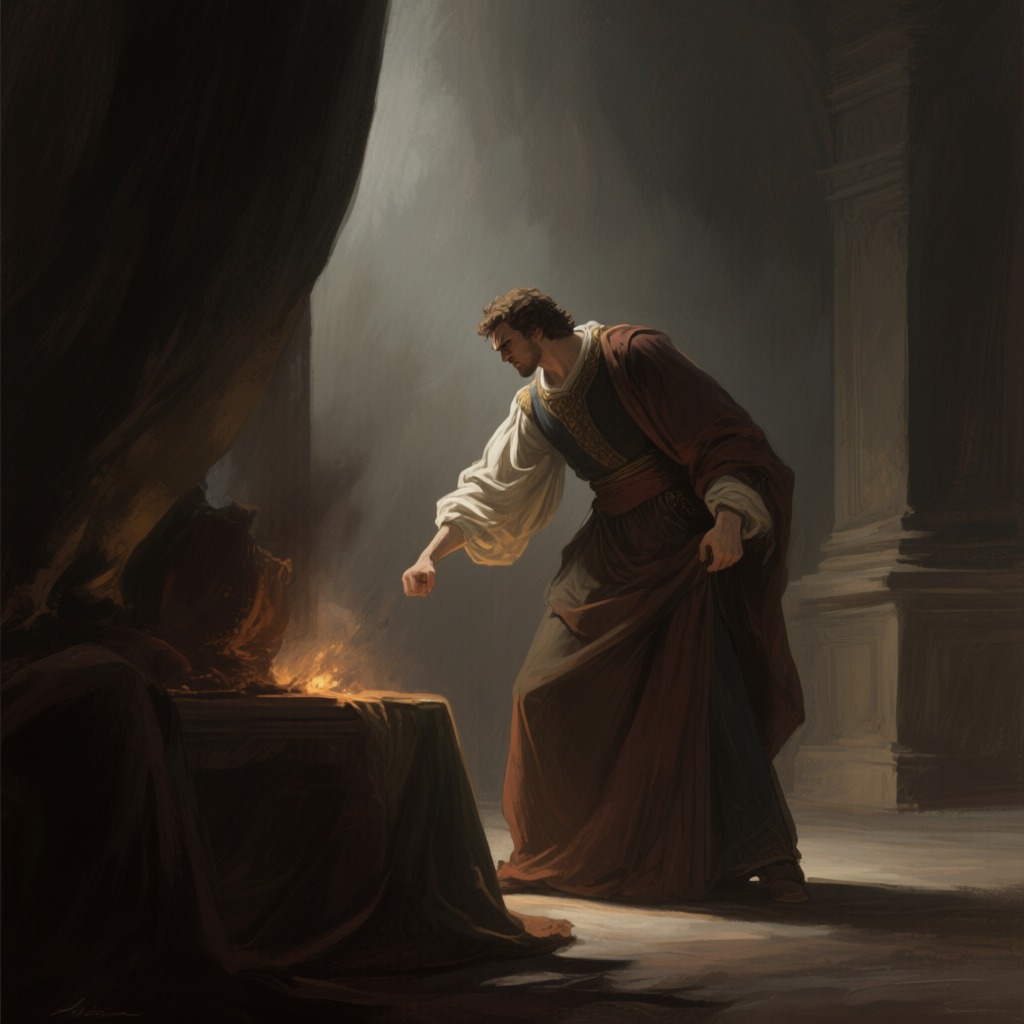
The social rule against Huckleberry Finn is one of the most powerful and pervasive unwritten laws in the village of St. Petersburg. It is not codified in any statute or posted on any board, but it governs the behavior of every respectable boy and girl with an authority that no written regulation could match. The rule is simple and absolute: the children of the town are forbidden to play with Huckleberry Finn, the son of the town drunkard, who is cordially hated and dreaded by all the mothers of the community. The reasons given for this prohibition are that Huck is idle, lawless, vulgar, and bad. But the rule's true force comes from a deeper source: Huck represents everything that the adult world of St. Petersburg has defined itself against. He does not go to school or to church. He calls no being master and obeys nobody. He sleeps on doorsteps in fine weather and in empty hogsheads when it rains. He never has to wash or put on clean clothes. He can swear wonderfully. In short, he possesses everything that goes to make life precious, as every harassed, hampered, respectable boy in St. Petersburg secretly thinks. The rule against Huck is therefore a bulwark against the very freedom that the town's children most desire, and it is enforced not by physical punishment but by the immense social pressure of respectability.
The Rule's Operation and Tom Sawyer's Defiance
Tom Sawyer is like the rest of the respectable boys in that he envies Huckleberry his gaudy outcast condition, and he is under strict orders not to play with him. Yet Tom plays with Huck every time he gets a chance. This is not a casual disobedience but a deliberate, repeated violation of the town's most cherished social boundary. Tom's defiance is all the more striking because he is not a rebel against all authority; he is a boy who craves admiration and status within the very community whose rules he breaks. The rule against Huck thus creates a double life for Tom: by day he is a respectable boy who must be seen to conform, but in the margins of the day—in the early morning before school, in the graveyard at midnight, on the river at dusk—he seeks out Huck's company. The rule is so powerful that even Tom, who habitually flouts Aunt Polly's commands, cannot openly defy it. When he is late for school and the master demands an explanation, Tom confesses that he stopped to talk with Huckleberry Finn. The master is astounded, and the punishment is severe: Tom is ordered to take off his jacket and is flogged, then forced to sit with the girls. The confession is treated not as a minor infraction but as the most astounding confession the master has ever listened to. This moment reveals that the rule against Huck is not merely a parental preference but a social law whose violation carries consequences far beyond a whipping.
The Rule's Social Function and the Mothers' Authority
The rule against Huck is enforced most vigorously by the mothers of the town. They cordially hate and dread him because all their children admire him so and delight in his forbidden society, and wish they dared to be like him. The mothers understand that Huck's existence is a standing temptation to their children, a living example of a life without the constraints of school, church, cleanliness, and obedience. The rule is therefore a form of preemptive discipline: it is easier to forbid the association entirely than to compete with the allure of Huck's freedom. The mothers' authority is backed by the entire adult community, which treats Huck as a pariah. He is the juvenile pariah of the village, and the word is used without irony. The rule against him is so thoroughly internalized that even the children who secretly envy him participate in his ostracism. When Tom and Joe Harper and Huck are believed dead and return to their own funeral, Huck stands abashed and uncomfortable, not knowing exactly what to do or where to hide from so many unwelcoming eyes. Tom has to seize him and demand that Aunt Polly acknowledge him: "Aunt Polly, it ain't fair. Somebody's got to be glad to see Huck." Aunt Polly responds with loving attentions, but the moment reveals how deeply the rule has marked Huck's place in the community: even in the midst of a miracle, he is still an outsider who must be vouched for.
The Rule's Persistence and the Limits of Wealth
The social rule against Huck is so deeply embedded in St. Petersburg's social fabric that even wealth and the protection of the Widow Douglas cannot entirely erase it. When Huck comes into a fortune of over twelve thousand dollars and is taken into the widow's home, he is introduced into society—or rather, dragged into it, hurled into it. But the rule against him has been a rule of exclusion, not of poverty, and the habits of exclusion persist. Huck's sufferings under the widow's care are almost more than he can bear: he must wear clean clothes, eat with a knife and fork, go to church, and talk so properly that speech becomes insipid in his mouth. He runs away and takes refuge in an empty hogshead behind the abandoned slaughterhouse, and Tom finds him there, unkempt, uncombed, and clad in the same old ruin of rags that had made him picturesque in the days when he was free and happy. Huck tells Tom that being rich ain't what it's cracked up to be: "It's just worry and worry, and sweat and sweat, and a-wishing you was dead all the time." The rule against Huck was never really about his poverty; it was about his freedom, and that freedom is what he cannot surrender. Tom finally persuades Huck to return to the widow by offering him membership in Tom Sawyer's Gang, but on the condition that Huck must be respectable to join. The rule against Huck is thus transformed but not abolished: Huck must learn to live within the bounds of civilization if he wants to belong to the outlaw society that Tom is creating. The social rule against Huck Finn is the novel's most powerful demonstration of how a community defines itself by whom it excludes, and how that exclusion shapes the lives of both the excluded and those who enforce the boundary.